Inkubáze – místo, kde se z vajec líhne poznání

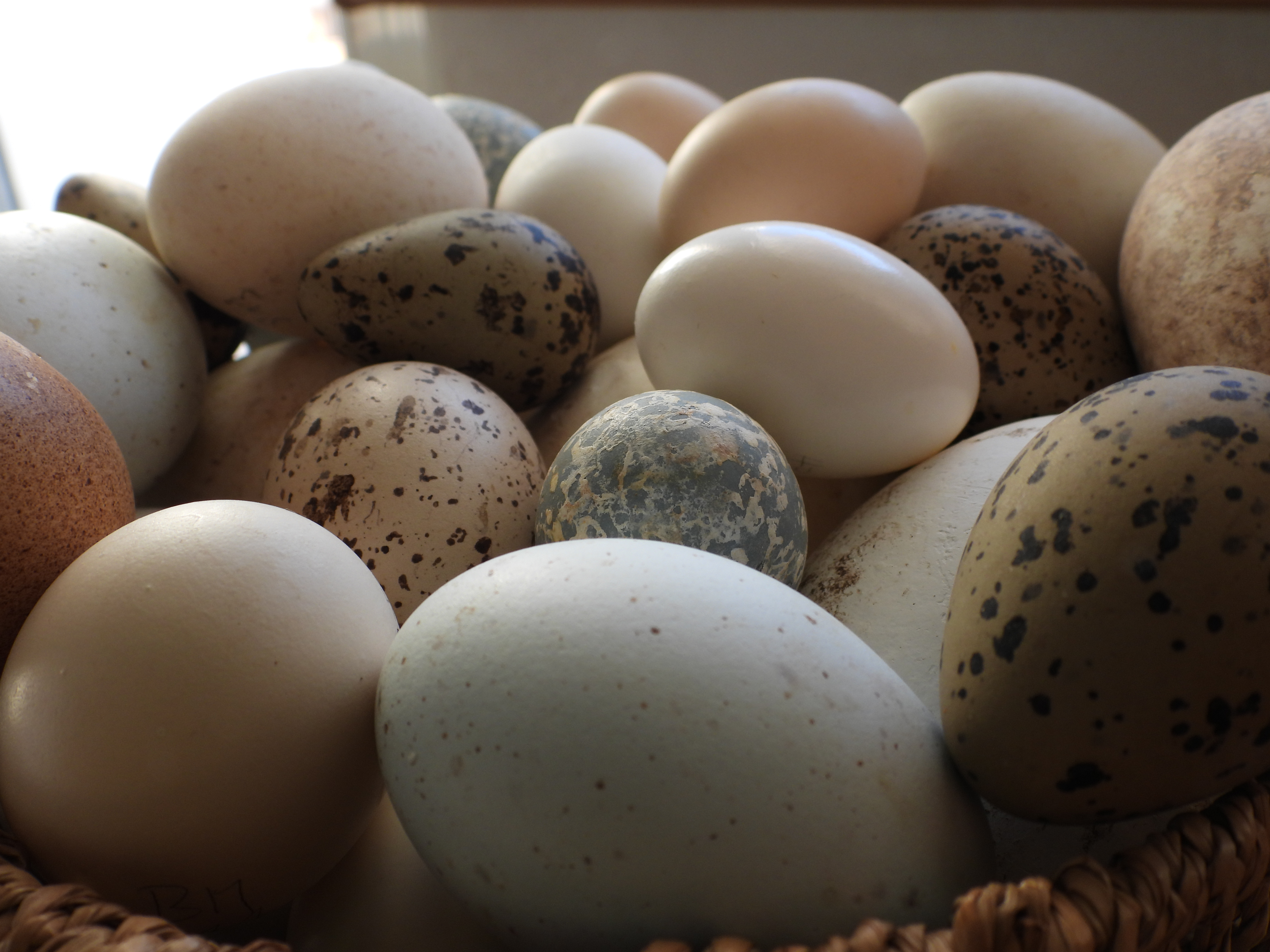
Každé vejce má svůj příběh. Inkubáze je otevřenou platformou, která pomáhá tyto příběhy uchovat, pochopit a sdílet. Ať jste chovatel, kurátor, či vědec se zájmem o ptačí reprodukci, v Inkubázi naleznete neocenitelného pomocníka, který vám umožní dělat vaši práci efektivněji a nám všem společně posouvat hranice poznání. Každý, kdo se někdy podílel na líhnutí vajec, ví, že je to fascinující a křehký proces vyžadující zkušenosti, kde i drobné změny mohou rozhodnout o úspěchu. Právě z této myšlenky vznikla Inkubáze.
Inkubáze představuje mimo jiné:
- Sadu chytrých nástrojů, umožňující přesně analyzovat průběh inkubace u konkrétního vejce a v reálném čase získat doporučení ohledně nastavení inkubátoru.
- Černou skříňku vašich dat – už žádné hledání ve starých zápisnících, vše máte přehledně po ruce.
- Databázi líhňařských dat, umožňující jejich efektivní správu a sdílení mezi institucemi.
- Živou encyklopedii ptačí inkubace, neustále doplňovanou analýzou nových dat v reálném čase.
- Místo, kde se vědci mohou propojit s původci dat ušitých na míru jejich výzkumu.
Úvodní video
Pro koho je Inkubáze?
Pro chovatele:
váš digitální pomocník v líhni
Pro kurátory:
mějte všechna data pod kontrolou, v líhních pořádek a v hlavě klid!
Pro vědce:
data, která jinak nezískáte
Výhody Inkubáze
Pro chovatele:
- Zapisujte, sledujte a analyzujte inkubaci každého vejce jednoduše a přehledně.
- Minimalizujte riziko chyb díky automatické kontrole dat v průběhu zadávání.
- Získejte okamžitá doporučení pro optimalizaci nastavení inkubátoru i rozmístění vajec mezi inkubátory.
- Nechte Inkubázi, aby za vás hlídala termíny líhnutí, či údržby inkubátorů.
- Inspirujte se analýzou dat úspěšně inkubovaných vajec u vás, i v jiných chovech.
Pro kurátory:
- Mějte všechna data o inkubaci přepsaná a průběžně analyzovaná.
- Tvořte přehledy a exporty dat pro EAZA, UCSZOO či vlastní potřebu na pár kliknutí.
- Získejte pomocníka pro vytváření daty podložených metodických pokynů.
- Sdílejte svá data s vědeckou komunitou a buďte součástí jejich výzkumu.
Pro vědce:
- Získejte přístup k rozsáhlým, standardizovaným a cenným datasetům.
- Zahrňte do výzkumu stovky, často prakticky neprozkoumaných druhů.
- Využijte efektivní a flexibilní vyhledávání dostupných dat.
- Domluvte si jednoduše podmínky využití po propojení s chovateli a vlastníky dat.
Jak Inkubáze funguje?
Začít můžete během několika minut:
Zaregistrujte se
Vytvořte si bezplatný účet (jako soukromá osoba nebo člen instituce).
Líhně
Zadejte údaje o líhních, které provozujete.
Data
Zadávejte data o inkubovaných vejcích.
Analýza
Sledujte vývoj: vizualizace, úbytky, úspěšnost.
Sdílení
Zapojte se do komunity a vědy.
Jste připraveni?
Začnete svou cestu s Inkubází již dnes. Je to jednoduché, zdarma a okamžité!
Zaregistrovat seTvůrci a kontakty

BERG - ČZU Praha
Jsme Tým behaviorální ekologie (BERG) na Katedře ekologie Fakulty životního prostředí České zemědělské univerzity v Praze. Z našich dalších aktivit jste se možná setkali s projektem "Čejčí stopou", který umožňuje v reálném čase sledovat migraci čejek chocholatých a sluk lesních.

Safari Park Dvůr Králové
Partneři v chovu ohrožených druhů

Zoologická zahrada Brno
Partneři v chovu ohrožených druhů
Máte otázky? Kontaktujte nás:
Martin Sládeček
Petr Chajma
Financování
Tento projekt je spolufinancován prostřednictvím Technologické agentury ČR v rámci Národního plánu obnovy z evropského Nástroje pro oživení a odolnost. Podrobnosti zde.
Využití moderních nástrojů biologgingu, sdílení a uživatelsky přívětivé analýzy dat při optimalizaci inkubace vajec ohrožených druhů ptáků v lidské péči.
- Registrační číslo projektu: SS07020438
- Poskytovatel: Technologická agentura ČR
- Program: Prostředí pro život (7. VS)
- Koordinátor projektu: ČZU
- Partneři projektu: ZOO Brno, ZOO Dvůr Králové
- Řešitel za FŽP: Mgr. Martin Sládeček, Ph.D.
Projekt rozvíjí metodický potenciál využití moderních nástrojů monitoringu inkubačního chování a statistických metod pro zvýšení efektivity odchovu ptáků ex situ. Cílem je vývoj a testování sady nástrojů a postupů, které při zavedení do chovatelské praxe zvýší úspěšnost odchovu, a to zejména u druhů obtížně odchovatelných, často ohrožených, a to v několika směrech: 1) snížením ztrát při přirozeném odchovu v lidské péči, 2) zvýšením úspěšnosti líhnutí při umělém odchovu a 3) zvýšením kvality potomstva pocházejícího z umělého odchovu. Výstupy projektu jsou koncipovány tak, aby nalezly komplexní uplatnění nejen v provozu dvou žadatelů, ale i dalších chovatelských kolekcích v ČR i v zahraničí. Mohou tak znamenat významný příspěvek k záchraně ohrožených druhů, závislých na chovu v lidské péči.